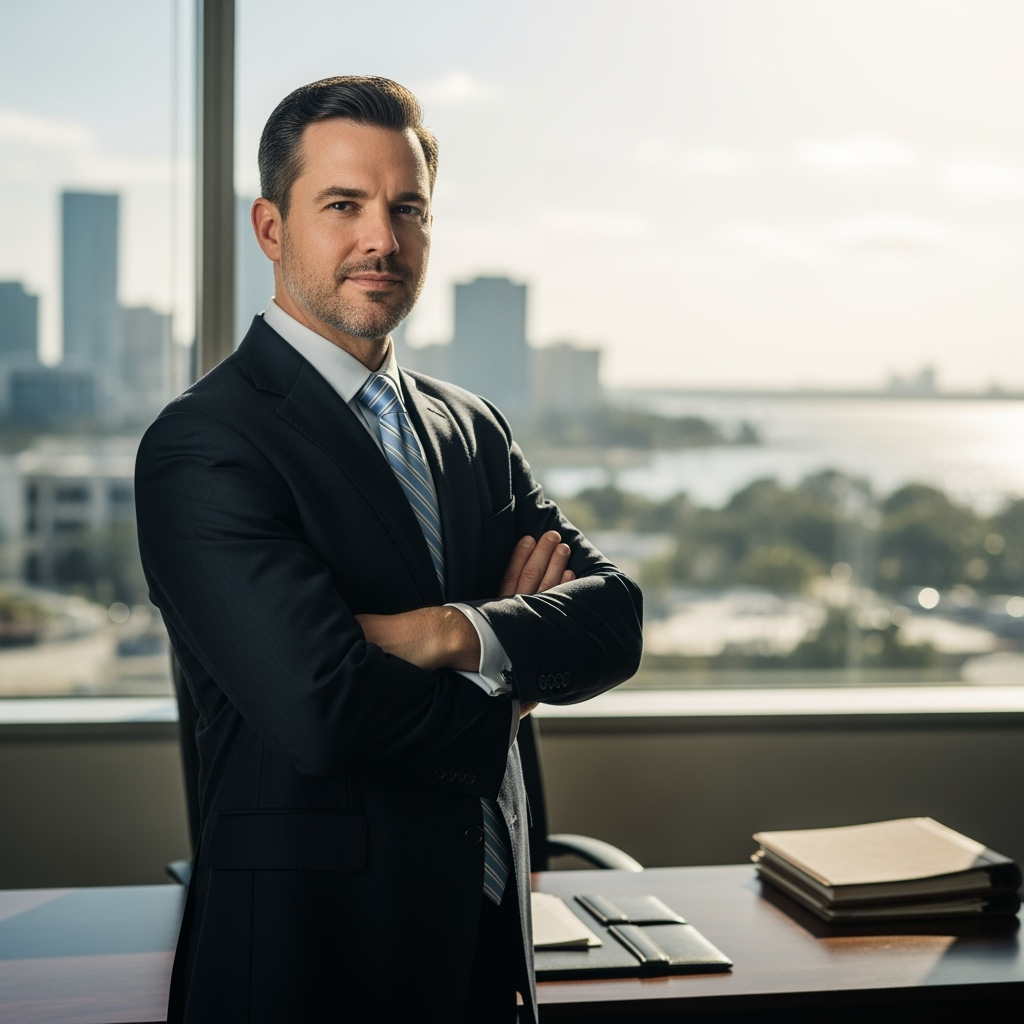
I know how sudden an arrest or a criminal investigation can feel, and how many questions rush in when your future is on the line. If you’re searching for a criminal defense attorney in St. Petersburg, FL, you’re already taking an important step. For a federal perspective on rights and procedures that often affect local cases, the U.S. Department of Justice has helpful information about criminal justice basics and defendants’ rights.
Why local experience matters in St. Petersburg
When I work a case, local knowledge isn’t optional — it’s essential. Courts, prosecutors, and judges in Pinellas County handle lots of different cases every week, and procedures vary from one courthouse to the next. A lawyer who understands local timelines, local diversion programs, and how a judge in this area typically approaches sentencing can make choices that reduce risk and preserve options for you.
Beyond courtroom strategy, being local means I know practical things that matter: which investigators or officers commonly handle certain neighborhoods, how to get hearings scheduled quickly, where to find treatment programs for diversion, and which community resources can support a mitigation plan.
Common charges people face and what to expect
In the city and surrounding neighborhoods like Downtown, Old Northeast, and Shore Acres, people come to me with a mix of charges. Some are misdemeanors that still carry serious consequences, while others are felony matters that can change a life. Typical cases include DUI, drug possession, theft, domestic-related offenses, and assault. There are also specialty matters like juvenile charges, probation violations, and white-collar allegations that require different handling.
Local crime trends shift over time, and it’s smart to watch national and state data as well. The FBI’s crime data provides a big-picture look that helps explain why some offenses receive more attention and resources from law enforcement and prosecutors than others.
Trends in criminal defense you should know about
Two trends I’m watching closely right now affect how cases are handled in this area. First, courts continue to adopt more digital evidence techniques — phone forensics, location data, and body camera footage are shaping many cases. Second, there’s a renewed focus on diversion and treatment courts for nonviolent offenders, driven by both policy changes and practical limits on courtroom capacity.
What that means for you: evidence is often technical and complex now, and successful defense often depends on early investigation and the right experts. It also means there may be more options than traditional incarceration if the case and the facts support them.
What to do immediately if you’re arrested or contacted by police
Acting calmly and following a few clear steps can protect your rights and position later defenses. These steps are straightforward, and I recommend keeping them in mind before a crisis happens:
- Stay calm and be polite. Do not resist arrest or argue aggressively with officers.
- Invoke your right to remain silent. You do not have to answer questions without an attorney present.
- Ask for an attorney right away and do not sign anything until you’ve spoken with counsel.
- Write down or remember the names of officers, details of the stop or arrest, and any witnesses you can identify.
How I build a local defense strategy
Every case is different, but my approach follows consistent themes: quick investigation, targeted defenses, and clear communication. I start by gathering the records that matter — police reports, body cam footage, arrest affidavits, and any available surveillance or forensics. Early discovery often reveals weaknesses in the prosecution’s case or points to alternate theories.
Next, I prioritize defenses that can lead to early resolution. That might mean filing motions to suppress evidence obtained unlawfully, negotiating diversion or pretrial intervention, or arranging treatment that shows the court you’re addressing root issues. When trial is necessary, I prepare witnesses and evidence so we present a clear, believable story for the jury.
How to choose the right attorney for this area
Choosing a lawyer is about fit and results. Here are four practical things I recommend weighing before you hire someone:
- Local courtroom experience. Ask whether the lawyer knows the local judges and prosecutors and has handled similar charges nearby.
- Investigative resources. A good defense requires access to private investigators and forensic experts when needed.
- Communication style. Make sure you’ll get timely updates and clear explanations in plain language.
- Track record and strategy. Ask about outcomes on similar cases and what strategy they would pursue for yours.
Reducing risk: practical steps while your case is pending
There are everyday decisions that can influence the outcome of a case. Taking proactive, sensible steps not only helps legally but also looks good to the court if mitigation becomes important. Consider actions such as enrolling in counseling or substance treatment, securing stable employment or housing, and avoiding contact that could create new legal trouble. I guide clients toward the specific programs and records that judges and prosecutors respect when evaluating diversion or reduced charges.
What diversion programs and alternatives look like here
Pinellas County and the city have several alternatives to traditional prosecution for eligible defendants, including pretrial diversion, treatment courts, and community service agreements. These programs typically require consistent participation, regular check-ins, and sometimes restitution or counseling. When they fit the facts and the person, they can avoid a felony conviction and focus on rehabilitation rather than punishment.
Not everyone qualifies, and eligibility often depends on the charge, criminal history, and the prosecutor’s willingness. That’s where a local defense strategy makes a difference: I’ll present records and plans that increase the chance of acceptance into these programs.
Preparing for court: timelines and what to expect in hearings
Court timelines in this area can vary. Initial appearances often happen quickly after arrest, and arraignment schedules are set by the court. Motions and pretrial hearings depend on the complexity of the evidence and the court’s calendar. Be prepared for possible delays, especially when complex digital evidence is involved or when expert testimony is necessary. Remote hearings remain common for some preliminary matters, but in-person hearings are routine for trials and key motions.
If you have travel or work restrictions, tell your attorney early so we can request accommodations. Proper planning ensures you don’t unintentionally miss important dates.
How I handle evidence and experts
Evidence in modern criminal cases often includes more than just witness statements. For many cases the critical pieces are forensic lab results, cell-phone data, traffic or surveillance footage, and witness credibility. I evaluate the chain of custody, test the methods used in lab reports, and consult independent experts if the prosecution’s evidence is technically complicated. Sometimes a single expert report can change the course of negotiations or a judge’s view on admissibility.
Realistic outcomes you can expect
Clients often want to know the best and worst outcomes. Realistically, outcomes range from dismissal to reduced charges, deferred adjudication, or conviction. The factors that drive outcomes include prior record, strength of the evidence, mitigating circumstances, and how early and effectively we engage in defense steps. My goal is always to pursue the best legal result while protecting your rights and future opportunities.
Questions to ask at your first meeting
Bring documents you already have: the arrest paperwork, citation, bail information, and any correspondence from the prosecutor or court. At the meeting, ask clear, focused questions such as:
- What defenses are strongest in my case and why?
- What timeline should I expect for resolution?
- What are the likely alternatives to trial, and what do they require?
- How will you communicate and how often will I get updates?
How I protect employment, licensing, and immigration concerns
Criminal charges often come with collateral consequences beyond jail time. People worry about losing professional licenses, jobs, or immigration status. Addressing those risks early is vital. I coordinate with employment or licensing professionals and, when immigration issues are present, make sure the right immigration counsel is involved. Strong motion work and timely negotiations can sometimes prevent immediate collateral damage.
When to consider going to trial
Trial is a serious decision. You should consider trial when the government’s case has holes, when suppression motions could exclude key evidence, or when the only reasonable goal is complete exoneration. Otherwise, trial risks harsher outcomes if the evidence is strong. I prepare clients thoroughly so they understand both the emotional and practical realities of going to trial versus pursuing a negotiated resolution.
How I communicate during stressful moments
I aim to keep communication direct and steady. That means setting clear expectations early, explaining legal terms without jargon, and providing honest assessments of risk. During fast-moving phases such as arraignment or when new evidence emerges, I prioritize rapid outreach so you and your family are informed and can make timely decisions.
Next steps if you need help now
If you’re dealing with a recent arrest or a pending investigation in St. Petersburg, don’t wait. Early investigation and focused defense work can remove options if delayed. You can collect any documents you received and start a simple written timeline of events — those materials help build a prompt response.
I’ve worked with many people facing these same fears and know how to move from uncertainty to a clear plan. If you want local experience and practical, step-by-step defense in St. Petersburg, consider reaching out for a consultation. For in-person support and local representation, contact St. Petersburg Criminal Attorney.